The Art of Glass Packaging: Elevating Your Brand Using Eco-Friendly Glass Bottles
The craft of glass packaging provides brands with an exceptional opportunity for distinction. Through sustainable practices, glass bottles improve aesthetic presentation while resonating with environmentally aware consumers. Their natural characteristics, such as recyclability and chemical inertness, signify a commitment to quality. As companies move through this changing environment, grasping the diverse advantages and obstacles of glass packaging is critical for sustained growth. What forward-thinking methods are companies adopting to fully harness these opportunities?
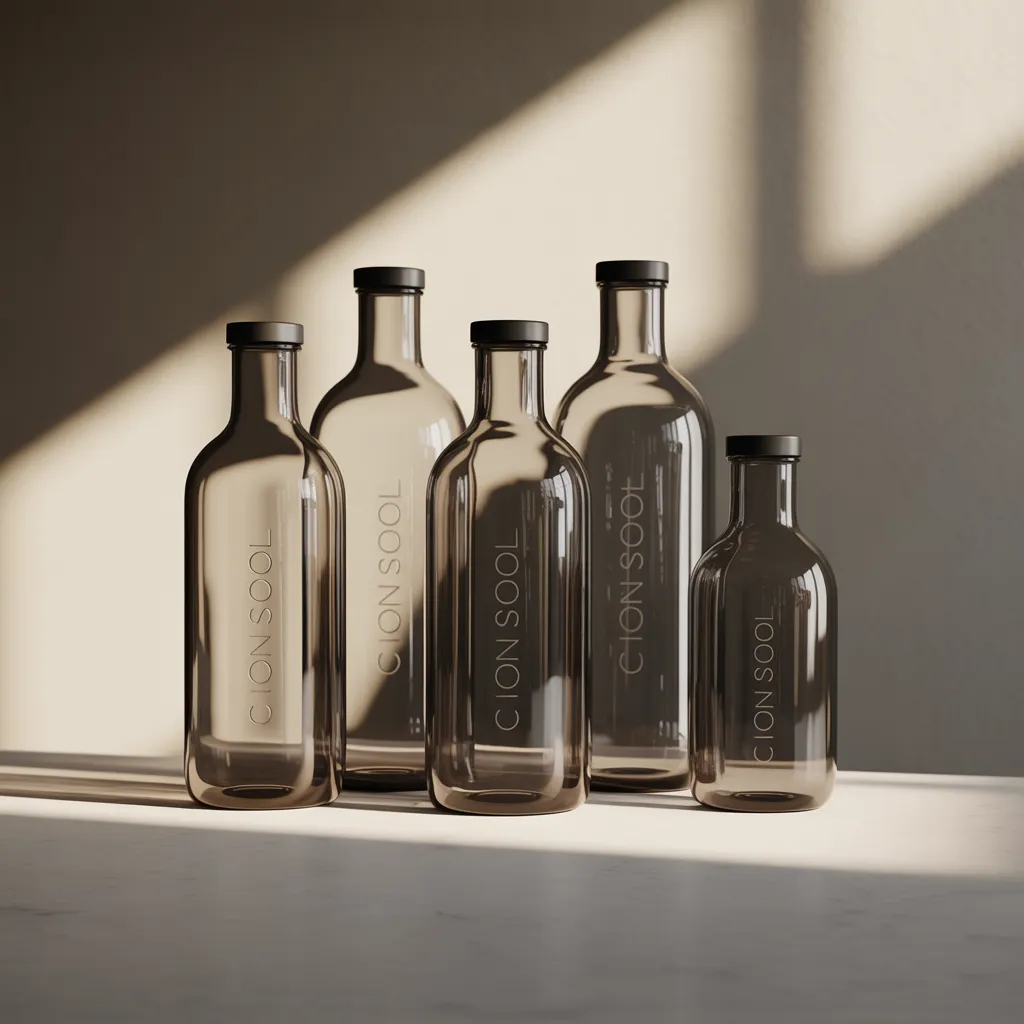
Reasons to Select Glass Packaging for Your Brand
Choosing glass packaging can significantly improve a brand's image and environmental initiatives. Brands that opt for glass demonstrate a pledge to superior standards and premium experiences, appealing to discerning consumers who appreciate aesthetic and functional attributes. Glass offers a enduring and sophisticated look, contributing to a brand's visual identity while providing a sensory experience that plastic cannot match.
Additionally, glass packaging communicates a feeling of purity and safety, as it is free from dangerous compounds frequently associated with plastic packaging. This option can draw in green-conscious customers who associate glass with responsible practices. Additionally, its resilience permits repeated utilization, thereby strengthening a brand's commitment to eco-friendly practices.
In a marketplace placing greater emphasis on sustainability, choosing glass packaging can distinguish a brand cultivating consumer loyalty and strengthening brand trust. In the end, this deliberate decision positions brands as leaders in sustainability and quality, resonating with contemporary consumer expectations.
The Eco-Friendly Advantages of Glass Bottles
Glass containers provide significant ecological advantages that set them apart from other packaging materials. Glass bottles are 100% recyclable, supporting a circular economy where resources can be continuously repurposed without compromising quality. This characteristic considerably decreases the demand for virgin materials, consequently limiting material extraction and energy usage connected to the production process.
In addition, glass packaging is non-reactive, meaning it does not seep harmful chemicals into its stored materials, ensuring safer consumption. Unlike plastic, glass does not contribute to microplastic pollution, which is a growing environmental concern.
Glass bottle production also generates reduced greenhouse gas emissions compared to plastic alternatives. With advancements in manufacturing processes, energy efficiency has improved, further reducing the carbon footprint linked to glass production.
Creative Designs That Elevate Glass Packaging
Innovative patterns in glass containers are transforming how items are presented. Unique shapes and structures not only improve usability but also capture buyer interest. Furthermore, eye-catching color palettes further enhance the visual impact, making glass containers distinguish themselves in retail spaces.
Distinctive Shapes and Structures
Innovative solutions in packaging made from glass not only boost visual impact but also fulfill an important purpose in setting brands apart. Unique shapes and structures can create memorable consumer experiences, making products stand out on packed product displays. As an example, non-symmetrical bottles or structured geometric forms can generate fascination and stimulate consumer interest. Such distinctive designs often reflect a brand's personality, solidifying its brand narrative and ideals. Additionally, distinctive structures can elevate performance, such as more convenient gripping or optimized pouring. Businesses that commit to original glass design concepts project a strong focus on superior quality and green practices, attracting environmentally conscious consumers. When focusing on distinctiveness in their packaging designs, brands can cultivate more meaningful relationships with consumers, in turn promoting long-term loyalty and broadening their market reach.
Eye-Catching Color Palettes
Vibrant color palettes play an essential role in enhancing glass packaging, turning everyday bottles into striking visual declarations. By utilizing a deliberate combination of shades, businesses can inspire sentiment and deliver unforgettable moments for buyers. Vivid hues can communicate exceptional value, while softer tones may convey delicacy and sophistication.
Additionally, the use of multi-toned designs and gradients brings depth and sophistication, drawing attention on crowded shelves. Sustainable practices further enhance the appeal; eco-friendly dyes and finishes resonate with conscious consumers. In the end, the perfect color palette not only reflects a brand's identity but also reinforces its commitment to sustainability, positioning glass packaging as a compelling differentiator in a competitive marketplace.
How Can Glass Packaging Elevate Product Perception?
Glass packaging markedly enhances how products are perceived with its premium aesthetic and tactile quality, instilling a sense of elegance in consumers. The natural clarity and see-through quality of glass allow for an unobstructed view of the product, further reinforcing quality. Additionally, using glass aligns with eco-friendly brand positioning, attracting consumers who prioritize environmental responsibility.
Luxurious Feel And Appeal
Utilizing glass packaging greatly elevates the recognized quality of a product, frequently linking it to quality and elegance. Customers often link glass with high-end appeal, resulting in improved brand commitment and positive consumer experiences. The sensory quality of glass, with its smooth texture and weight, contributes to a high-end impression that plastic cannot replicate. This sensory engagement creates a connection between the product and the consumer, cultivating a sense of excellence. Additionally, glass packaging conveys a commitment to sustainability, appealing to sustainability-minded customers. As a result, companies using glass packaging can establish themselves as superior choices within their markets, drawing selective buyers who appreciate both style and sustainability in their consumer decisions.
Visual Transparency And Clarity
When consumers encounter products in glass packaging, their perception is often enhanced by the natural visual openness and clearness it offers. This openness enables prospective customers to view the contents within, fostering a sense of trust and authenticity. The see-through nature of glass not only reveals the product's caliber but also accentuates its color and feel, enhancing visual appeal. Furthermore, the lack of label obstructions on transparent glass lets the product become the focal point, creating a more engaging shopping experience. Glass packaging can elevate brand perception by conveying a commitment to quality and craftsmanship. This transparency ultimately shapes buyer choices, promoting a more profound personal relationship with the item and the brand.
Sustainable Brand Positioning
Sustainability-focused brands leverage glass packaging to reinforce their commitment to sustainability, effectively enhancing product perception. Glass projects an image of quality and authenticity, defining a loftier benchmark when measured against plastic counterparts. This substance not only underscores the green values of a brand but also attracts buyers who place importance on sustainable options. The physical sensation of glass—its heft and feel—additionally enhances the perceived worth of the product. Additionally, the recyclability of glass aligns with the growing consumer demand for sustainable practices, cultivating customer loyalty. By selecting glass, brands not only highlight their devotion to environmental stewardship but also establish their products as high-end choices, thus building a favorable reputation in a crowded market.
How Brands Are Winning With Glass Packaging
Many companies are succeeding by embracing glass packaging, highlighting its attractiveness to buyers and pledge to sustainable practices. As an example, a well-known beverage company shifted to glass bottles, resulting in a 30% increase in sales within a year. The transition not only improved product visibility on shelves but also appealed to eco-conscious consumers, reinforcing the brand's sustainability message.
Another cosmetic company successfully changed to glass packaging, significantly enhancing its premium image. This change attracted a committed following that values both visual appeal and eco-conscious practices. Additionally, an artisan brewery adopted reusable glass growlers, building brand loyalty while minimizing waste. These real-world cases show that glass materials not only fulfill consumer demands for eco-friendly alternatives but also reinforces brand value and industry presence. Such strategic choices highlight an emerging pattern among brands aiming to align their operations with sustainable practices while attracting today's environmentally aware shoppers.
How to Tackle Challenges in Glass Packaging
Navigating the difficulties of glass packaging necessitates creative approaches and a thorough understanding of the market. Companies often face obstacles such as costly production processes, weight concerns, and structural vulnerability. To address these, brands can implement cutting-edge production methods that minimize material waste and boost structural resilience. Collaborating with suppliers to procure sustainable resources also mitigates environmental consequences while attracting environmentally conscious consumers.
Another challenge involves transportation logistics, due to the heavy nature of glass. Utilizing advanced logistics approaches, such as refined shipping techniques and innovative packaging designs, can help minimize costs and guarantee product safety during transit. Moreover, raising consumer awareness regarding glass's superiority over plastic can foster brand loyalty and drive demand. By implementing these methods, companies can surmount challenges in glass packaging and distinguish themselves as innovators in eco-friendly practices, ultimately enhancing their brand image and market presence.
Future Trends in Sustainable Glass Packaging
As the demand for sustainable packaging continues to rise, the glass packaging industry is on the brink of significant transformation. Advancements in production methods are anticipated to improve energy performance, lowering the environmental impact linked to glass manufacturing. Furthermore, the integration of lightweight glass bottles will establish itself as a major trend, reducing shipping emissions while preserving product quality.
Recycling programs will grow increasingly strong, with increased collaboration between industry leaders and civic authorities to enhance the collection and processing of glass. Moreover, the integration of smart technology into packaging will facilitate improved clarity throughout the supply chain, enabling brands to showcase their sustainability efforts effectively.
Growing consumer demand for sustainable products will further accelerate the creation of tailored, visually appealing designs, blending practicality with aesthetic charm. With sustainability becoming a top priority for brands, the glass packaging market is prepared to reshape its direction, harmonizing with global sustainability targets while fulfilling the needs of an eco-conscious audience.
Questions We Often Receive
What Are the Financial Differences Between Glass Packaging and Plastic?
Packaging made from glass generally incurs greater expenses due to production, transportation, and recycling processes relative to plastic packaging. Nevertheless, it offers eco-friendly benefits and stronger brand positioning, which may validate the cost for select businesses.
How Can I Customize Glass Bottles for My Brand?
Brands have the ability to tailor glass packaging by using unique shapes, colors, and finishes. Printed designs, engravings, and labels enhance brand identity. Partnering with suppliers guarantees adherence to eco-friendly initiatives while maintaining aesthetic appeal and functionality.
What Specific Regulations Apply to Glass Packaging?
Yes, specific regulations for glass packaging exist, distinct to each region. Such regulations encompass safety standards, labeling requirements, and recycling guidelines, ensuring consumer safety and environmental responsibility while advancing sustainable practices further information in packaging manufacturing and distribution.
What Are the Top Best Practices for Recycling Glass Bottles?
To recycle glass bottles effectively, residents should clean them out to eliminate any residue, detach any lids or caps, and sort by color. In addition, they should check local guidelines for specific recycling protocols and drop-off locations to make certain they are processed appropriately.
What Is the Effect of Glass Packaging on Shipping and Logistics?
Glass packaging considerably affects shipping operations and logistics by adding weight and fragility, necessitating careful handling and specialized transportation. This often leads to increased expenses and more complicated supply chain operations when compared to lighter and more resilient materials.